
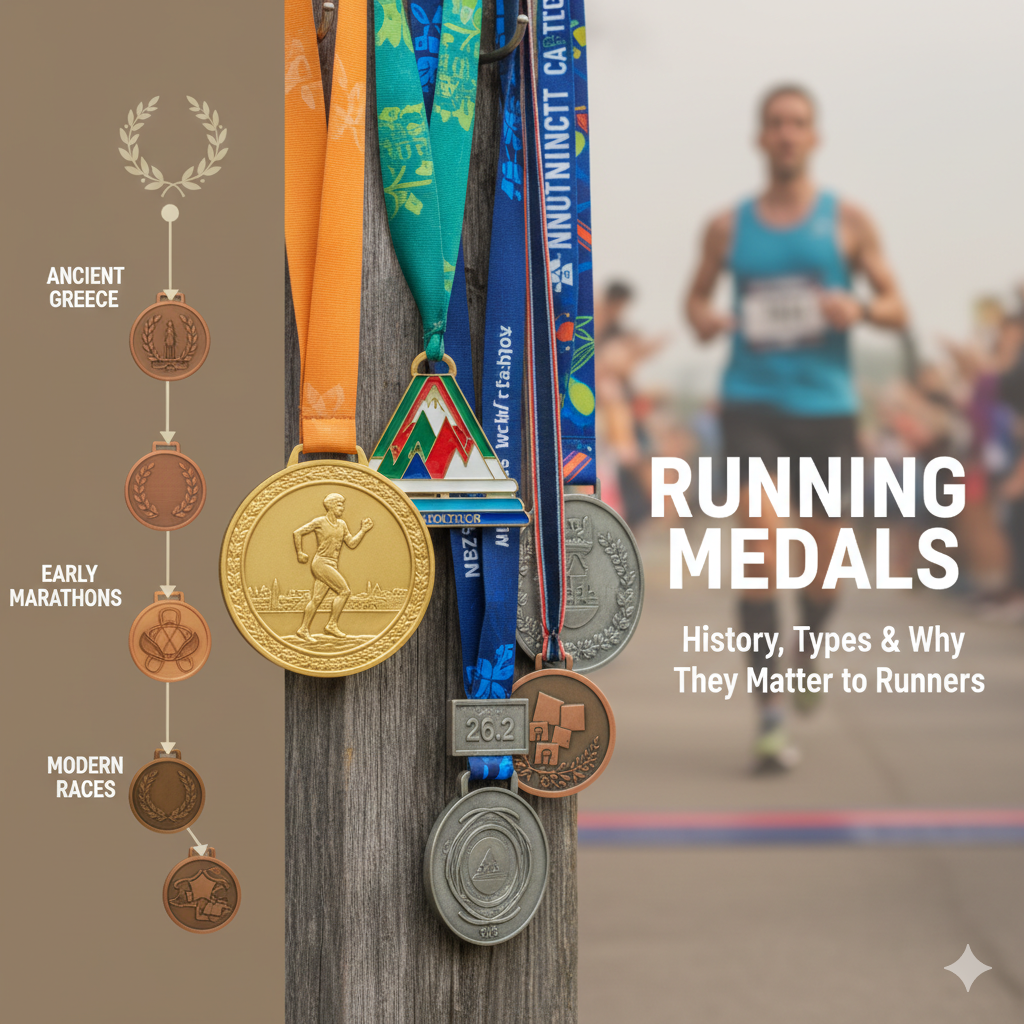
Running medals are more than just shiny awards handed out at the end of races—they symbolize dedication, achievement, and the personal milestones of every runner. Whether it’s a 5K fun run, a half marathon, or a full marathon, running medals have become an important part of the racing experience. In this blog, we’ll explore the history, types, significance, and design of running medals, along with why they matter so much to participants and event organizers alike.
A Brief History of Running Medals
The tradition of awarding medals to athletes dates back to ancient Greece, where winners of Olympic games received olive wreaths as a mark of victory. Medals became more common in the late 19th and early 20th centuries when sporting events, including marathons, began awarding metal tokens to participants.
In 1896, during the first modern Olympic Games in Athens, marathon runners received a silver medal and an olive branch. Over time, the idea spread to local races, and today, most running events—whether small community fun runs or world-class marathons—feature medals for participants.
Why Running Medals Are Important
For many runners, a medal is not just an accessory but a lasting reminder of their journey. Here are some reasons why running medals hold so much importance:
- Recognition of Effort – Completing a race, no matter the distance, requires training, discipline, and determination. Medals act as tangible recognition of that hard work.
- Motivation and Inspiration – Many runners sign up for races because they want to earn a medal. The thought of crossing the finish line and receiving that medal can serve as strong motivation during training.
- Memories and Milestones – Each medal represents a unique story: the first race, a personal best time, or overcoming challenges. They become cherished mementos of an athlete’s running journey.
- Community and Pride – Displaying medals often connects runners with a wider community. Whether it’s hanging medals at home or sharing them on social media, they foster pride and belonging.
Types of Running Medals
Running medals come in many forms, often depending on the race size, theme, and budget. Let’s look at the most popular types:
1. Finisher Medals
These are the most common running medals, given to everyone who completes the race. From 5K fun runs to full marathons, finisher medals are designed to celebrate participation and achievement.
2. Winner Medals
These are reserved for the top finishers—usually first, second, and third place. They are often larger, more elaborate, and may be plated in gold, silver, or bronze to reflect ranking.
3. Age Group Medals
Many races also recognize winners in specific age categories, such as 18–29, 30–39, 40–49, and so on. Age group medals encourage runners of all ages to compete and be celebrated.
4. Virtual Race Medals
With the rise of online events, virtual races have grown in popularity. Runners complete the distance on their own and receive medals by mail. These medals are often creative and themed, making them appealing for collectors.
5. Custom Theme Medals
Fun runs, charity races, and seasonal events often feature custom-designed medals. For example, a Halloween run might feature pumpkin-shaped medals, while a holiday-themed race could have medals shaped like snowflakes.
6. Challenge Medals
Some races encourage runners to participate in multiple events within a series. Completing all races earns them a special “challenge medal,” which is usually larger and more prestigious.
Popular Distances and Their Medals
Different running events award different styles of medals, often tied to the distance:
- 5K Medals – Usually colorful, fun, and smaller in size. Perfect for beginners or themed events.
- 10K Medals – Slightly more detailed, often designed to highlight the event’s location or charity.
- Half Marathon Medals (21.1 km) – Often larger and more elaborate, symbolizing the effort of running 13.1 miles.
- Marathon Medals (42.2 km) – Highly cherished medals, often made of premium materials to represent the ultimate running accomplishment.
- Ultramarathon Medals – Reserved for extreme endurance runners, these medals are often oversized or uniquely designed to reflect the difficulty of the race.
Running Medal Designs and Features
Running medals are not only awards but also works of art. Event organizers put significant thought into their design because they represent the race itself.
Common Design Features:
- Shapes – Round medals are traditional, but many races now use creative shapes like shoes, animals, or landmarks.
- Materials – Most medals are made from zinc alloy, iron, or brass. Premium races may use plated gold, silver, or other metals.
- Colors and Enamel – Bright enamel colors make medals eye-catching and memorable.
- Ribbons – The ribbon attached to the medal is also customizable, often featuring the race name, date, or sponsor logos.
- Personalization – Some races engrave the runner’s name or finish time on the medal for an added personal touch.
Collecting Running Medals
Many runners proudly display their medals at home, creating collections that tell their running story. Medal display racks, shadow boxes, and custom hangers are popular ways to showcase them.
Collecting running medals has also become a hobby for many runners, with some traveling across countries and continents to participate in races with unique or prestigious medals.
The Business and Marketing Side of Running Medals
Running medals aren’t just about personal achievement—they also serve as powerful marketing tools for event organizers.
- Attracting Participants – A unique, high-quality medal can draw more runners to sign up for a race.
- Brand Recognition – Custom medals often feature race logos, sponsors, or city landmarks, promoting the event and location.
- Repeat Participation – Races that offer collectible series medals encourage runners to return year after year.
Tips for Choosing a Running Medal (For Organizers)
If you’re planning a running event, here are a few tips for selecting the right medal:
- Match the Medal to the Event Size – A small community 5K may not need an oversized medal, while a marathon should have something more prestigious.
- Choose Durable Materials – Ensure the medal feels solid and long-lasting.
- Incorporate Event Branding – Use the race logo, year, and location.
- Work with Reputable Suppliers – Choose manufacturers who specialize in custom running medals.
- Offer Unique Features – Glow-in-the-dark enamel, moving parts, or 3D designs make medals memorable.
Running Medals and Sustainability
With millions of races worldwide, sustainability has become an important factor. Some event organizers are shifting toward eco-friendly medals made from recycled materials, wood, or bamboo. Others give participants the option to donate the cost of the medal to charity instead of receiving one.
This growing trend shows that running medals can evolve with the times while still preserving their symbolic importance.
Conclusion
Running medals are more than metal and ribbon—they carry stories of perseverance, passion, and accomplishment. From finisher medals that encourage beginners to marathon medals that honor endurance, each medal tells a story unique to the runner.


